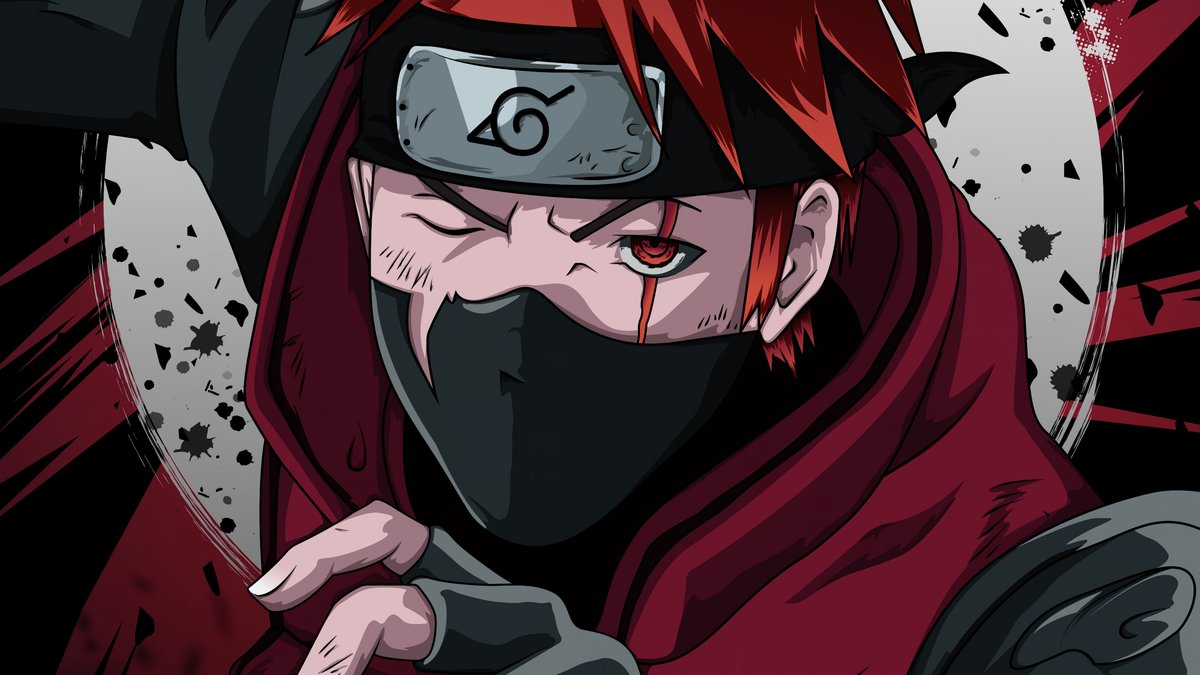
If you've landed here wondering how Kakashi Hatake, the renowned Copy Ninja from Naruto, fits into the world of Demon Slayer: Kimetsu no Yaiba, you're not alone. Many fans imagine their favorite characters crossing over between anime universes. However, we're here to definitively clarify: Kakashi Hatake does not exist in Demon Slayer's canon.
Demon Slayer and Naruto are entirely separate franchises, each with its own distinct universe, characters, power systems, and lore. While both are incredibly popular, there has been no official crossover event, nor is there any narrative element in Demon Slayer that suggests Kakashi or any other Naruto character could appear. This comprehensive guide will explain why this beloved character isn't part of Tanjiro's journey, and, more importantly, introduce you to the rich, immersive world of Demon Slayer itself.
Unpacking the Universe: What is Demon Slayer?
Before we delve into why Kakashi wouldn't fit, it's essential to understand the unique world of Demon Slayer: Kimetsu no Yaiba. Created by Koyoharu Gotouge, this manga-turned-global-anime phenomenon began in 2016, captivating audiences with its thrilling action, stunning animation, and deeply emotional storytelling. The anime adaptation by Ufotable, first airing in 2019, has since achieved immense international recognition.
The story introduces us to Tanjiro Kamado, a kind-hearted boy whose life is shattered when his family is massacred by demons, and his younger sister, Nezuko, is transformed into one. Remarkably, Nezuko retains some human consciousness, setting Tanjiro on a desperate quest to find a cure and restore her humanity. This journey leads him to join the Demon Slayer Corps, a clandestine organization of elite warriors who have battled demons for centuries. Together with his eccentric companions Zenitsu Agatsuma and Inosuke Hashibira, and the formidable Hashira, Tanjiro faces off against the primary antagonist, Muzan Kibutsuji, the original demon, and his powerful subordinates, the Twelve Kizuki.
At its core, Demon Slayer excels in its emotional narrative, exploring profound themes of tragedy, grief, and empathy by delving into the backstories of both its heroes and villains. This nuanced approach often prioritizes emotional consequences over mere combat victories, creating a truly unique shōnen experience. To get a complete picture of this incredible series, you'll want to explore our essential guide to understanding Demon Slayer's story and themes.
Kakashi's World vs. Tanjiro's World: Why They Don't Mix
Kakashi Hatake, with his Sharingan eye, Lightning Blade, and mastery of various ninjutsu, is an iconic figure from Naruto. His abilities stem from chakra manipulation, jutsus, and the specific genetic traits of his ninja world. Demon Slayer, on the other hand, operates on a completely different set of rules. Its combat system revolves around "Breathing Styles"—specialized swordsmanship techniques used with Nichirin Blades, enabling Demon Slayers to match the superhuman strength and regenerative abilities of demons. There's no chakra, no ninjutsu, and no Sharingan.
Bringing a character like Kakashi into Demon Slayer would fundamentally break the established rules and balance of the latter's universe. His powers are incompatible with the existing combat mechanics, and his presence would contradict the foundational lore of the Demon Slayer Corps and their struggle against demons. Simply put, these two fantastic worlds are designed to stand on their own.
Meet the Heroes and Villains of Demon Slayer (No Ninjas Required)
Instead of searching for crossovers, we invite you to discover the captivating cast of characters that Demon Slayer has to offer. The series is celebrated for its well-developed personalities, each with compelling backstories and unique abilities.
Leading the Charge for Humanity:
- Tanjiro Kamado: The compassionate protagonist, driven by an unwavering resolve to save his sister. He masters "Water Breathing" and later integrates his family's powerful "Hinokami Kagura" technique, derived from the original "Sun Breathing." Tanjiro's enhanced sense of smell allows him to track demons and discern emotions.
- Nezuko Kamado: Tanjiro's younger sister, a demon who defies her instincts, perceiving all humans as family. She sustains herself by sleeping and boasts incredible regeneration, strength, and her fiery "Exploding Blood" Blood Demon Art.
- Zenitsu Agatsuma: A cowardly but fiercely loyal Demon Slayer who, when unconscious, becomes a master of "Thunder Breathing." His extraordinary sense of hearing is crucial for tracking demons.
- Inosuke Hashibira: Raised by wild boars, Inosuke is a brash, powerful fighter using his self-taught "Beast Breathing" style and two serrated Nichirin Blades. His heightened sense of touch allows him to detect enemies through air vibrations.
The Pillars of Strength: The Hashira
The Hashira are the elite group of nine most powerful Demon Slayer Corps warriors, each a master of a unique and highly refined Breathing Style. They are the strongest force against Muzan and the Twelve Kizuki. If you're eager to meet these formidable protectors, you'll love our deep dive into the Demon Slayer Hashira, where we detail each of their incredible abilities and backstories.
The Forces of Darkness: - Muzan Kibutsuji: The series' primary antagonist, the original demon, and the progenitor of all other demons. His goal is true immortality, either by acquiring the "Blue Spider Lily" or creating demons immune to sunlight.
- The Twelve Kizuki: Composed of the twelve most powerful demons serving Muzan, categorized into Upper and Lower Ranks based on their strength. Many of these demons possess tragic pasts that led to their transformation, adding a layer of emotional complexity to their villainy. To understand the terrifying power they wield, make sure to read our guide on the Twelve Kizuki.
The Power Behind the Sword: Understanding Breathing Styles
The innovative combat system in Demon Slayer is built around "Breathing Styles," specialized swordsmanship techniques that enable Demon Slayers to fight on par with demons. These styles are not magic; rather, they are highly refined physical and mental disciplines that enhance a slayer's speed, strength, and stamina, often allowing them to visualize elemental effects.
All Breathing Styles are derived from "Sun Breathing," the foundational and original technique. From this, various branches emerged, such as Water, Flame, Thunder, Wind, and Stone Breathing, along with unique offshoots like Insect, Love, Mist, and Serpent Breathing. Demon Slayers can even combine different styles, as Tanjiro does with Water Breathing and Hinokami Kagura, for enhanced adaptability and power. Exploring these techniques is crucial to understanding the series' battles, and you can learn all about them in our comprehensive breakdown of Demon Slayer Breathing Styles.
Experience Demon Slayer: Where to Watch and Read
Now that you know Kakashi isn't making an appearance, we encourage you to dive headfirst into the actual world of Demon Slayer. You won't be disappointed by its gripping narrative, stunning animation, and emotional depth.
The Anime Journey:
The Demon Slayer anime series, produced by Ufotable, is designed to be watched sequentially across its seasons and films.
- Unwavering Resolve Arc: (Season 1) 26 episodes, setting the stage for Tanjiro's quest.
- Mugen Train Arc: Available as a 2020 theatrical film or a seven-episode season, a crucial turning point for our heroes.
- Entertainment District Arc: (Season 2) 11 episodes, pushing the Demon Slayers to their limits.
- Swordsmith Village Arc: (Season 3) 11 episodes, revealing new Hashira and powerful Upper Rank demons.
- Hashira Training Arc: (Season 4) 8 episodes, preparing the Corps for the final battle.
- Infinity Castle Arc: Scheduled as a cinematic trilogy for 2025, promising the climactic confrontations.
All arcs are accessible on major streaming platforms such as Crunchyroll and Netflix, in addition to Blu-ray and DVD collections. For a complete guide on how to experience every moment, check out our definitive Demon Slayer watch order guide.
From Manga to Gaming:
If you prefer to read ahead or experience the story in its original form, the "Demon Slayer" manga by Koyoharu Gotouge concluded in May 2020, with 205 chapters compiled into 23 tankōbon volumes. Digital versions are available on platforms like Amazon, Comixology, Manga Plus, and Viz Media, with a complete box set also available.
Fans can also immerse themselves through the video game adaptation, "Demon Slayer: Kimetsu no Yaiba — The Hinokami Chronicles," which allows players to relive key moments from the series. This game is available on PlayStation, Xbox, Nintendo Switch, and PC.
Embrace the True Magic of Demon Slayer
While the idea of a Kakashi Hatake crossover might spark interesting fan fiction, the truth is that Demon Slayer stands strong on its own merits, offering a rich, self-contained universe filled with unforgettable characters, breathtaking action, and profound emotional resonance. Rather than imagining what could be, we encourage you to delve into the epic tale of Tanjiro, Nezuko, and the Demon Slayer Corps. You'll find a world equally as thrilling and impactful as any ninja saga. The journey is truly worth experiencing from start to finish.